Autonomous Data Intelligence Platforms for IoT-Driven Smart Enterprises
Introduction
The rapid growth of the Internet of Things (IoT) has transformed the way organizations collect, process, and utilize data. Modern enterprises deploy millions of interconnected devices, sensors, machines, and smart systems that continuously generate massive volumes of data. While this data offers valuable insights, managing and analyzing it effectively remains a significant challenge. Traditional data management systems often struggle to keep pace with the speed, scale, and complexity of IoT-generated information. As a result, organizations are increasingly adopting Autonomous Data Intelligence Platforms (ADIPs) to unlock the full potential of their IoT ecosystems.
Autonomous Data Intelligence Platforms combine artificial intelligence, machine learning, automation, and advanced analytics to manage data with minimal human intervention. These platforms enable smart enterprises to transform raw IoT data into actionable intelligence, improving operational efficiency, decision-making, and business innovation.
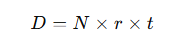
EQ 1 : IoT Data Generation Rate
Understanding Autonomous Data Intelligence Platforms
An Autonomous Data Intelligence Platform is an integrated framework that automates the collection, processing, analysis, governance, and utilization of data. Unlike conventional analytics systems that require extensive manual configuration and monitoring, autonomous platforms use intelligent algorithms to continuously learn from incoming data and optimize operations automatically.
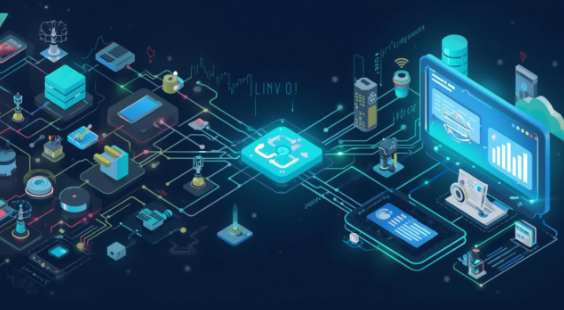
In IoT-driven environments, ADIPs serve as the central intelligence layer that connects devices, networks, cloud infrastructures, and enterprise applications. They continuously monitor data streams, identify patterns, detect anomalies, and generate recommendations or actions in real time.
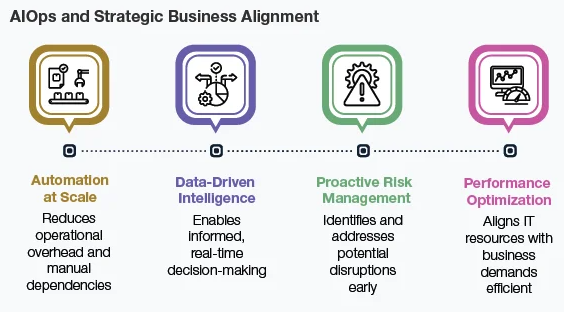
The primary goal of these platforms is to reduce human dependency in data management while enhancing accuracy, scalability, and responsiveness. By leveraging automation, enterprises can handle enormous data volumes efficiently and gain insights faster than traditional methods allow.
The Role of IoT in Smart Enterprises
IoT technologies have become fundamental components of modern smart enterprises. Connected devices gather information from production equipment, transportation systems, energy grids, healthcare devices, retail environments, and customer interactions. This constant flow of information creates opportunities for businesses to optimize operations and improve service delivery.
However, IoT deployments also generate challenges related to data integration, storage, security, and analysis. A single manufacturing facility may produce terabytes of sensor data daily. Extracting meaningful insights from such vast datasets requires advanced intelligence and automation capabilities.
Autonomous Data Intelligence Platforms address these challenges by enabling enterprises to process and analyze IoT data continuously. They help organizations move from reactive decision-making to predictive and proactive business strategies.
Key Components of Autonomous Data Intelligence Platforms
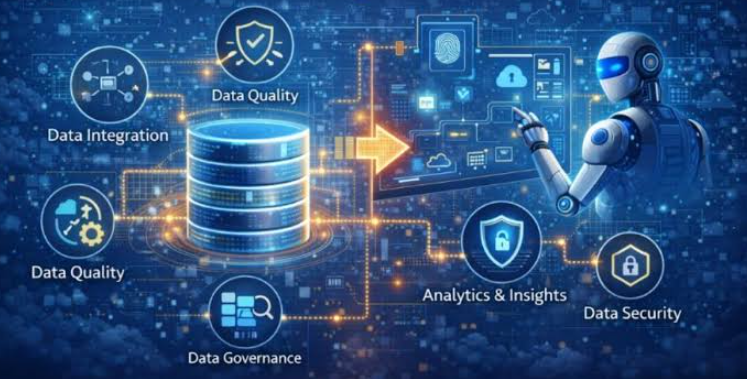
Data Collection and Integration
IoT devices produce data in various formats and from multiple sources. Autonomous platforms gather information from sensors, edge devices, cloud systems, and enterprise applications. They automatically integrate diverse datasets into a unified environment, eliminating data silos and ensuring consistency across the organization.
Intelligent Data Processing
The platform continuously cleans, filters, and organizes incoming data streams. Advanced algorithms identify irrelevant or duplicate information while preserving valuable insights. This automated processing improves data quality and reduces the burden on data management teams.
Machine Learning and Analytics
Machine learning models form the core of autonomous intelligence. These models analyze historical and real-time data to identify trends, forecast outcomes, and support decision-making. Predictive analytics enables enterprises to anticipate equipment failures, customer demands, and operational disruptions before they occur.
Automated Decision-Making
One of the most significant advantages of ADIPs is their ability to automate decisions. Based on predefined objectives and learned patterns, the platform can trigger actions such as adjusting machine settings, scheduling maintenance, reallocating resources, or issuing alerts without human intervention.
Data Governance and Security
As IoT ecosystems expand, ensuring data privacy and regulatory compliance becomes critical. Autonomous platforms enforce governance policies, monitor data access, detect security threats, and maintain compliance with industry regulations. Automated security mechanisms help organizations protect sensitive information while reducing risk.
Benefits for Smart Enterprises
Enhanced Operational Efficiency
Autonomous platforms eliminate repetitive manual tasks associated with data management and analysis. Automated workflows streamline operations, reduce processing time, and improve productivity. Employees can focus on strategic initiatives rather than routine data handling activities.
Real-Time Insights
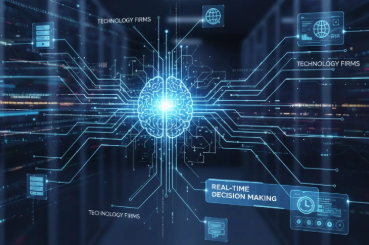
IoT environments require immediate responses to changing conditions. ADIPs analyze data as it is generated, providing real-time visibility into business operations. Managers can make informed decisions quickly, reducing downtime and improving performance.
Predictive Maintenance
One of the most valuable applications of autonomous intelligence is predictive maintenance. By analyzing sensor data from equipment and machinery, the platform can identify signs of wear, malfunction, or potential failure. Organizations can perform maintenance proactively, minimizing disruptions and reducing costs.
Improved Customer Experience
Smart enterprises can use autonomous intelligence to understand customer behavior and preferences. Real-time analytics enable personalized services, targeted recommendations, and faster responses to customer needs. This enhances satisfaction and strengthens customer relationships.
Scalability
As IoT networks continue to grow, traditional data systems often become difficult to manage. Autonomous platforms are designed to scale efficiently, handling increasing volumes of data without significant performance degradation. This scalability supports long-term business growth and digital transformation initiatives.
Industry Applications
Manufacturing
In smart manufacturing environments, autonomous data intelligence platforms monitor production lines, equipment performance, and supply chain activities. Predictive analytics helps reduce downtime, optimize resource utilization, and improve product quality.
Healthcare
Healthcare organizations use IoT-enabled medical devices to collect patient data continuously. Autonomous platforms analyze this information to support remote monitoring, early diagnosis, and personalized treatment plans. They also help healthcare providers manage resources more effectively.
Transportation and Logistics
Connected vehicles and logistics systems generate vast amounts of operational data. Autonomous intelligence platforms optimize route planning, monitor fleet performance, and predict maintenance requirements. These capabilities improve efficiency and reduce operational costs.
Energy and Utilities
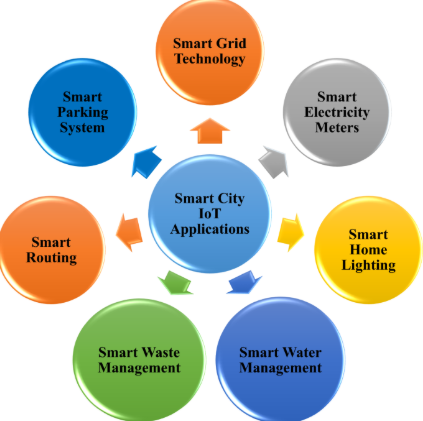
Smart grids and energy management systems rely heavily on IoT technologies. Autonomous platforms analyze energy consumption patterns, detect anomalies, and support demand forecasting. This contributes to improved sustainability and resource management.
Retail
Retail businesses use IoT sensors to track inventory, customer movement, and purchasing behavior. Autonomous analytics helps optimize stock levels, enhance store layouts, and deliver personalized shopping experiences.
Challenges and Considerations
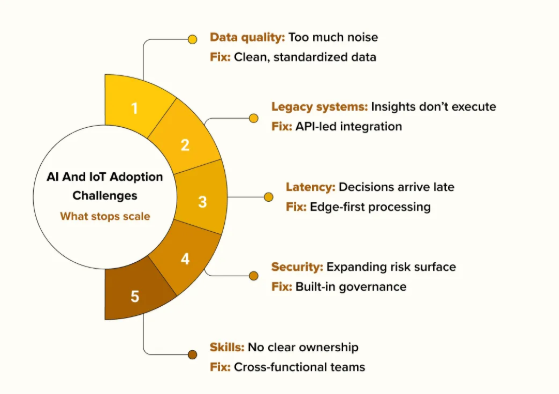
Despite their advantages, Autonomous Data Intelligence Platforms face several challenges. Data privacy concerns remain a major issue, particularly when handling sensitive customer or operational information. Organizations must implement robust security measures to protect against cyber threats.
Another challenge involves integrating legacy systems with modern autonomous platforms. Many enterprises operate complex infrastructures that require careful planning and investment for successful implementation.
The quality of insights generated by autonomous systems also depends on the quality of input data. Poor data quality can lead to inaccurate predictions and decisions. Therefore, organizations must establish effective data management practices to ensure reliability.
Additionally, ethical considerations surrounding AI-driven decision-making must be addressed. Transparency, accountability, and fairness are essential to building trust in autonomous systems.
Future Outlook
The future of Autonomous Data Intelligence Platforms is closely linked to advancements in artificial intelligence, edge computing, and next-generation communication networks. Emerging technologies will enable faster processing, improved predictive capabilities, and greater automation.
As enterprises continue to embrace digital transformation, autonomous intelligence will become a critical component of business operations. Future platforms are expected to deliver self-learning, self-healing, and self-optimizing capabilities that further reduce human intervention while increasing operational excellence.
Organizations that successfully integrate autonomous intelligence with IoT ecosystems will gain significant competitive advantages through enhanced efficiency, innovation, and agility.
EQ 2 : Data Processing Efficiency

Conclusion
Autonomous Data Intelligence Platforms represent a transformative approach to managing and utilizing IoT-generated data in smart enterprises. By combining artificial intelligence, automation, and advanced analytics, these platforms enable organizations to process vast amounts of information efficiently and convert it into actionable insights. Their ability to support real-time decision-making, predictive maintenance, operational optimization, and enhanced customer experiences makes them essential for modern digital enterprises. As IoT adoption continues to expand, Autonomous Data Intelligence Platforms will play an increasingly important role in shaping the future of intelligent and data-driven business ecosystems.
Comments
Join the discussionNo comments yet. Be the first to comment.