Cloud-Scale Digital Transformation Through Self-Evolving Data Engineering Systems

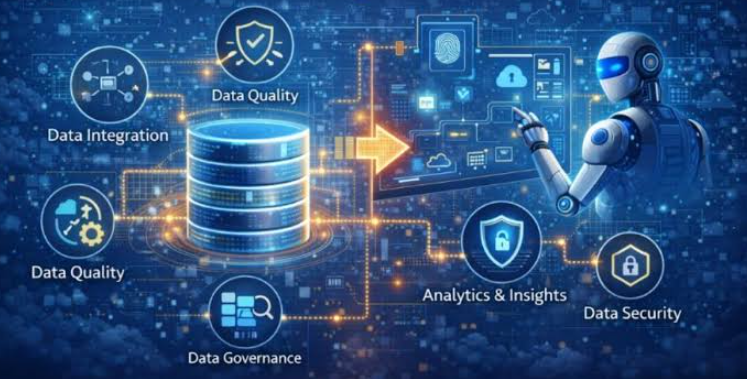
Digital transformation is no longer a strategic option; it is an operational necessity. Organizations across industries are re-architecting their business models around data-driven decision-making, intelligent automation, and cloud-native platforms. However, as enterprises scale their digital initiatives, traditional data engineering practices struggle to keep pace with the volume, velocity, and variability of modern data ecosystems. The future of cloud-scale digital transformation lies in self-evolving data engineering systems—intelligent, adaptive infrastructures capable of autonomously optimizing, governing, and transforming data workflows in real time.
The Need for Evolution Beyond Traditional Data Engineering
Conventional data engineering pipelines were designed for predictable workloads, structured databases, and periodic batch processing. These systems rely heavily on manual configuration, predefined transformation logic, and static governance rules. In cloud-scale environments, such rigidity becomes a bottleneck.
Today’s enterprises operate in distributed ecosystems where data flows continuously from applications, IoT devices, user interactions, and third-party platforms. Cloud-native architectures provide scalability, elasticity, and resilience, but managing data pipelines at this scale requires more than automation. It demands systems that can learn, adapt, and improve autonomously.
Self-evolving data engineering systems represent the next stage of maturity. They embed artificial intelligence, machine learning, and autonomous orchestration directly into the data lifecycle, enabling continuous adaptation to changing business requirements and operational conditions.
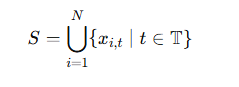
EQ1:Cloud-Scale Data Stream Model
Characteristics of Self-Evolving Systems
A self-evolving data engineering system is defined by five core capabilities:
Adaptive Ingestion – Automatically recognizing and integrating new data sources, formats, and schemas without manual redesign.
Intelligent Transformation – Generating, validating, and optimizing transformation logic dynamically.
Autonomous Optimization – Continuously tuning performance, cost, and resource allocation.
Embedded Governance – Enforcing compliance, privacy, and security policies in real time.
Self-Healing Mechanisms – Detecting anomalies and correcting failures proactively.
Together, these capabilities create a living data infrastructure that evolves alongside enterprise needs.
AI-Driven Pipeline Generation and Optimization
At cloud scale, building and maintaining data pipelines manually becomes impractical. Self-evolving systems leverage generative AI models to interpret high-level requirements and automatically generate pipeline components. Engineers define objectives in natural language or configuration templates, and the system translates them into executable workflows.
Beyond initial generation, these systems monitor runtime metrics such as throughput, latency, and error rates. Machine learning models analyze patterns and recommend or implement optimizations, such as adjusting partitioning strategies, reallocating compute resources, or refining transformation logic.
This continuous feedback loop transforms data engineering from a reactive maintenance task into a proactive optimization process.
Cloud-Native Elasticity and Intelligent Scaling
Cloud platforms provide elastic compute and storage resources. However, deciding when and how to scale remains complex. Self-evolving data engineering systems integrate predictive analytics to anticipate workload fluctuations.
By analyzing historical traffic patterns, seasonal trends, and real-time signals, the system can:
Pre-scale resources before peak demand
Downscale during low-utilization periods
Balance workloads across regions
Optimize cost-performance trade-offs
This intelligent scaling ensures high availability while minimizing operational expenses, a critical factor in large-scale digital transformation initiatives.
Data Observability and Continuous Learning
Observability is fundamental to self-evolving systems. Continuous monitoring of data quality, lineage, and performance metrics enables early detection of anomalies. When inconsistencies or degradation occur, machine learning models identify root causes and trigger corrective actions.
For example, if a sudden schema drift disrupts downstream analytics, the system can automatically adjust transformation logic and notify relevant stakeholders. If data quality metrics fall below acceptable thresholds, the system can quarantine affected datasets and initiate remediation workflows.
Through continuous learning, the system improves its responses over time, refining anomaly detection models and optimization strategies.
Embedded Governance and Compliance
As organizations scale globally, regulatory compliance becomes increasingly complex. Data privacy laws, industry regulations, and corporate governance standards impose strict requirements on data handling practices.
Self-evolving data engineering systems incorporate governance mechanisms directly into pipeline execution. Policies are codified in machine-readable formats and enforced automatically at ingestion, transformation, and storage stages.
Sensitive attributes can be masked or encrypted dynamically. Access control policies can adapt based on user roles and contextual risk assessments. Audit logs and lineage records are generated automatically, ensuring transparency and traceability.
This integrated approach reduces compliance risk while maintaining operational agility.
Decentralized and Federated Architectures
Modern enterprises often operate across multiple cloud providers and hybrid environments. Self-evolving data engineering systems support decentralized architectures, enabling local autonomy with centralized visibility.
Federated learning models allow different regions or departments to train optimization models locally while sharing insights globally. This approach enhances privacy, reduces data transfer overhead, and improves scalability.
By combining decentralization with coordinated intelligence, enterprises can maintain consistency across distributed infrastructures without sacrificing flexibility.
Human-AI Collaboration in Data Engineering
Despite automation advances, human expertise remains critical. Self-evolving systems are designed to augment rather than replace data engineers. AI-generated pipeline suggestions, anomaly explanations, and optimization recommendations require validation and strategic oversight.
Engineers shift from manual coding tasks to supervisory roles, focusing on architectural design, governance strategy, and innovation. This evolution enhances productivity and allows teams to concentrate on high-value initiatives.
Transparent reporting and explainable AI components ensure trust and accountability in autonomous decisions.
Security and Resilience in Cloud-Scale Environments
Security threats increase with system complexity. Self-evolving data engineering systems integrate real-time threat detection mechanisms to protect infrastructure and data assets.
Machine learning models analyze access patterns, detect anomalies, and isolate compromised components automatically. Self-healing capabilities enable rapid recovery from failures or cyberattacks, minimizing downtime and data loss.
Resilience is further strengthened by automated backups, distributed storage strategies, and intelligent failover mechanisms.
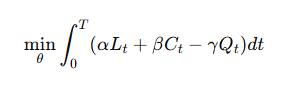
EQ2:Generative Pipeline Optimization Objective
Challenges and Considerations
Implementing self-evolving systems is not without challenges. Organizations must address:
Model drift and accuracy degradation
Increased computational overhead
Integration complexity across legacy systems
Ethical concerns in automated decision-making
Governance of AI models themselves
Robust monitoring frameworks, periodic audits, and clear accountability structures are essential to mitigate these risks.
Moreover, cultural transformation is as important as technological transformation. Enterprises must foster collaboration between data engineers, cloud architects, compliance officers, and AI specialists to realize the full potential of self-evolving systems.
The Strategic Impact on Digital Transformation
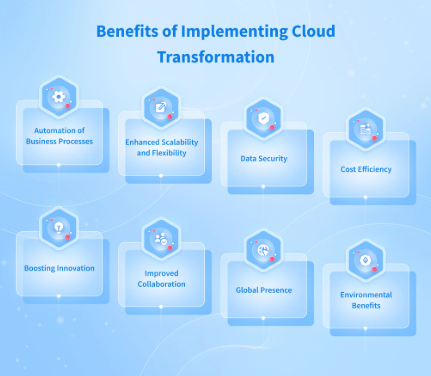
Cloud-scale digital transformation demands agility, scalability, and intelligence. Self-evolving data engineering systems provide the foundation for these capabilities. By embedding learning and adaptation into the core of data infrastructure, organizations gain:
Faster time-to-insight
Reduced operational costs
Improved compliance and risk management
Enhanced resilience and reliability
Continuous innovation capacity
These systems enable enterprises to respond dynamically to market changes, technological advancements, and regulatory shifts.
The Future of Autonomous Data Ecosystems
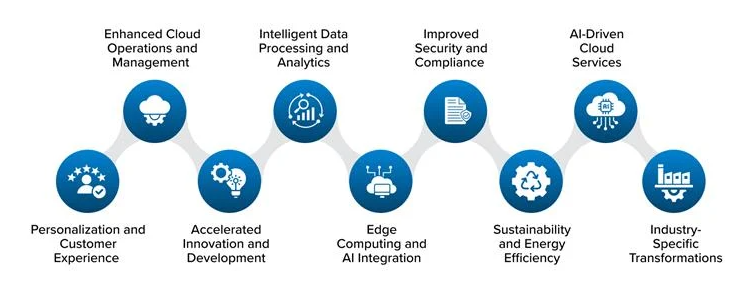
Looking ahead, self-evolving data engineering systems will become increasingly autonomous. Advances in agentic AI, foundation models, and real-time analytics will enable systems to negotiate resource allocation, redesign pipelines proactively, and predict compliance risks before violations occur.
Edge computing integration will allow localized intelligence, while centralized cloud platforms coordinate global strategies. Over time, data ecosystems may resemble adaptive digital organisms—continuously sensing, learning, and evolving in response to environmental changes.
Conclusion
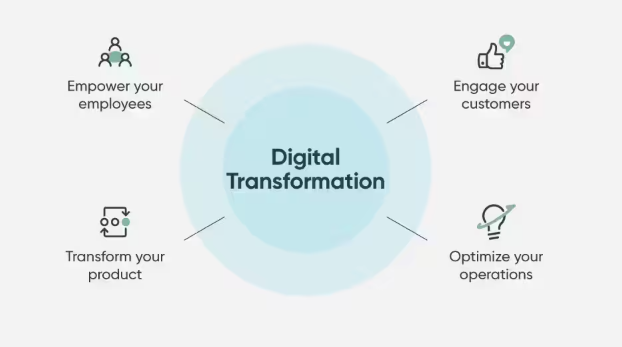
Cloud-scale digital transformation requires more than scalable infrastructure; it demands intelligent, adaptive systems capable of evolving with business and technological landscapes. Self-evolving data engineering systems embody this vision by integrating AI-driven automation, continuous optimization, embedded governance, and self-healing capabilities into cloud-native architectures.
By transitioning from static pipelines to autonomous, learning-based infrastructures, organizations unlock the true potential of digital transformation. In an era defined by data intensity and rapid innovation, self-evolving data engineering systems will serve as the cornerstone of sustainable, intelligent, and resilient cloud ecosystems.
Comments
Join the discussionNo comments yet. Be the first to comment.