Continuous Intelligence in Digital Enterprises Through Streaming Agentic Systems
The rapid expansion of digital technologies has led to an unprecedented growth in data generation across enterprises. Modern organizations rely on real-time insights to make informed decisions, optimize operations, and remain competitive in dynamic markets. Continuous intelligence has emerged as a strategic approach that enables organizations to analyze streaming data and generate actionable insights in real time. With the advancement of artificial intelligence, streaming agentic systems—comprising autonomous AI agents capable of monitoring, analyzing, and acting on live data streams—are transforming how enterprises implement continuous intelligence. These systems integrate streaming analytics, intelligent automation, and adaptive decision-making to create responsive digital ecosystems. This article explores the concept, architecture, operational mechanisms, benefits, and challenges of implementing continuous intelligence in digital enterprises using streaming agentic systems.
Introduction
Digital enterprises operate in environments where data is constantly generated from numerous sources such as IoT devices, enterprise applications, cloud platforms, and customer interactions. Traditional data processing models typically rely on batch processing techniques that analyze data after it has been collected and stored. While useful for historical analysis, these methods often fail to support real-time decision-making in rapidly changing environments.
Continuous intelligence addresses this limitation by enabling organizations to process and analyze data as it is generated. Instead of waiting for periodic reports, enterprises can derive insights instantly and respond proactively to emerging situations. For example, financial institutions can detect fraudulent transactions in real time, manufacturing companies can identify equipment failures before they occur, and retail organizations can personalize customer experiences based on live behavioral data.
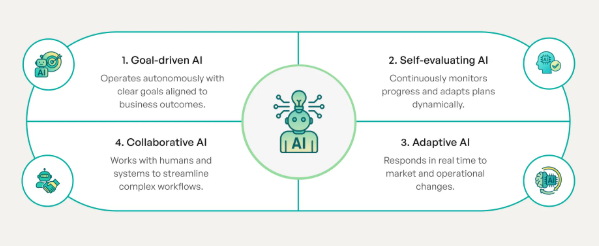
Streaming agentic systems play a critical role in enabling continuous intelligence. These systems consist of intelligent AI agents that operate within streaming data environments. They continuously monitor incoming data streams, interpret patterns, and take automated actions based on predefined objectives or learned behaviors. By combining streaming analytics with autonomous decision-making capabilities, enterprises can build highly responsive and adaptive digital systems.
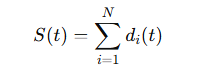
EQ1:Real-Time Data Stream Rate
Concept of Continuous Intelligence
Continuous intelligence refers to the capability of analyzing real-time data streams and integrating insights directly into business processes. Unlike traditional analytics models that focus on retrospective analysis, continuous intelligence emphasizes immediate action and operational responsiveness.
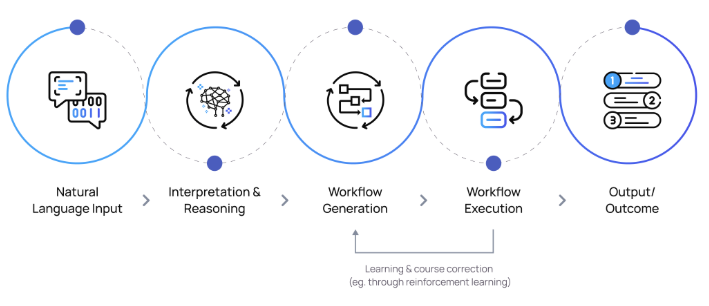
In digital enterprises, continuous intelligence integrates data ingestion, stream processing, machine learning models, and automated decision systems into a unified framework. Streaming agentic systems enhance this framework by introducing autonomous agents that can perform tasks such as anomaly detection, workflow optimization, and predictive decision-making.
These agents function as intelligent observers and operators within the data ecosystem. They constantly evaluate system conditions and trigger appropriate actions without requiring manual intervention. This approach allows organizations to move from reactive operations to proactive and predictive strategies.
Architecture of Streaming Agentic Systems
Implementing continuous intelligence requires a robust architecture capable of handling high-volume streaming data while supporting autonomous decision-making.
Data Streaming Layer
The streaming layer collects real-time data from multiple enterprise sources including IoT devices, transaction systems, application logs, and customer interaction platforms. This layer ensures reliable and scalable data ingestion and supports high-throughput event streams.
Stream Processing Layer
Once data is ingested, the stream processing layer performs real-time transformations, filtering, aggregation, and enrichment. Advanced analytics models may also operate at this stage to identify patterns or anomalies in incoming data.
Agentic Intelligence Layer
The core of the system lies in the agentic intelligence layer. Here, autonomous AI agents analyze processed data streams and make operational decisions. Each agent typically specializes in a particular domain such as resource optimization, anomaly detection, or workflow orchestration.
These agents collaborate with one another by sharing contextual information and operational insights. Through this cooperative approach, the system can respond effectively to complex scenarios that involve multiple data sources and operational constraints.
Decision and Automation Layer
This layer converts analytical insights into automated actions. When agents detect significant events or patterns, they trigger workflows that may include resource adjustments, system alerts, or operational changes.
Monitoring and Governance Layer
Continuous monitoring ensures that the streaming system operates efficiently and securely. Governance mechanisms enforce data policies, compliance standards, and access controls while maintaining transparency and traceability.
Role of Agentic AI in Continuous Intelligence
Agentic AI introduces autonomy and adaptability into streaming data environments. Unlike traditional rule-based systems, agentic systems can learn from data patterns and modify their behavior accordingly.
For example, in a supply chain management system, an AI agent may monitor inventory levels, transportation conditions, and market demand simultaneously. When it detects potential supply disruptions, it can automatically adjust procurement schedules or recommend alternative logistics strategies.
In cybersecurity environments, streaming agents continuously analyze network traffic and user activity patterns. If unusual behavior is detected, the system can immediately trigger security protocols or isolate compromised components.
Another important application is predictive maintenance in industrial environments. Streaming sensors attached to machinery generate operational data that agents analyze in real time. By identifying early warning signals of equipment failure, these agents can schedule maintenance before breakdowns occur, reducing downtime and operational costs.
Benefits for Digital Enterprises
Real-Time Decision Making
Continuous intelligence enables enterprises to respond to events as they occur. This capability allows organizations to address operational issues immediately and capitalize on emerging opportunities.
Improved Operational Efficiency
Automated decision-making reduces the need for manual monitoring and intervention. This allows employees to focus on strategic initiatives rather than routine operational tasks.
Enhanced Customer Experience
Real-time analytics enables organizations to personalize services based on live customer behavior. Businesses can dynamically adjust product recommendations, pricing strategies, and marketing campaigns.
Proactive Risk Management
Streaming agentic systems can detect anomalies, security threats, and operational risks before they escalate into major problems. This proactive approach improves system reliability and organizational resilience.
Scalable Data Infrastructure
Streaming architectures support large-scale data processing across distributed cloud environments. Autonomous agents help maintain performance and optimize resource utilization as workloads change.
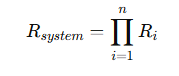
EQ2:System Reliability of Streaming Pipelines
Challenges in Implementation
Despite its advantages, implementing continuous intelligence with streaming agentic systems presents several challenges.
One challenge involves managing the complexity of large-scale streaming infrastructures. Handling high data velocities and ensuring low-latency processing requires sophisticated system design and efficient resource management.
Another challenge relates to data governance and security. Continuous data streams may include sensitive information, requiring robust privacy protection and compliance mechanisms.
Transparency and explainability are also critical concerns. As AI agents make autonomous decisions, organizations must ensure that these decisions are understandable and auditable.
Integration with existing enterprise systems may also be difficult. Many organizations operate hybrid infrastructures that include legacy systems alongside modern cloud platforms, making seamless integration challenging.
Future Directions
The future of continuous intelligence will likely involve deeper integration between streaming analytics, agentic AI, and advanced machine learning models. Emerging technologies such as edge computing will allow streaming agents to operate closer to data sources, reducing latency and enabling faster responses.
Another promising direction is the development of collaborative multi-agent ecosystems where agents coordinate across different organizational domains. These ecosystems could enable enterprise-wide optimization of operations, resources, and decision-making processes.
Additionally, advancements in explainable AI will improve trust in autonomous decision systems by providing clear insights into how decisions are made.
Conclusion
Continuous intelligence represents a significant advancement in the evolution of digital enterprises. By combining streaming data analytics with agentic AI systems, organizations can transform raw data into actionable insights in real time. Streaming agentic systems enable autonomous monitoring, decision-making, and operational optimization across complex enterprise environments.
As businesses continue to generate increasing volumes of real-time data, the ability to analyze and act on this data instantly will become a critical competitive advantage. Continuous intelligence powered by streaming agentic systems provides the technological foundation for responsive, adaptive, and intelligent digital enterprises capable of thriving in rapidly changing digital ecosystems.
Comments
Join the discussionNo comments yet. Be the first to comment.