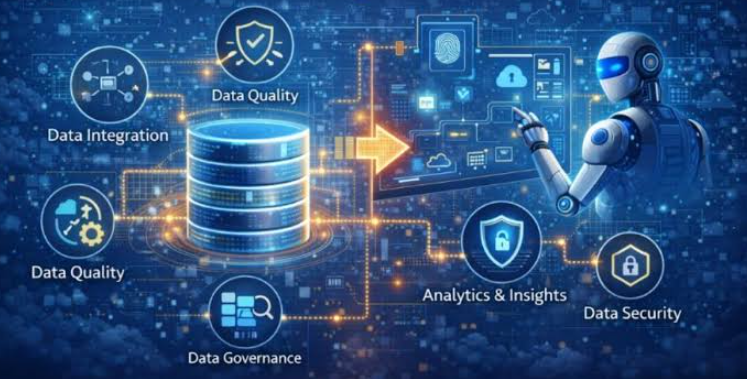
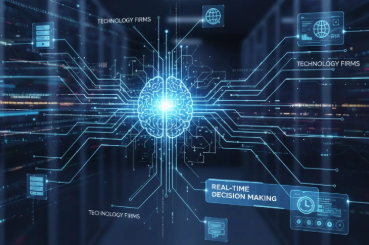
Reimagining Digital Transformation with Self-Directed Data Engineering Agents
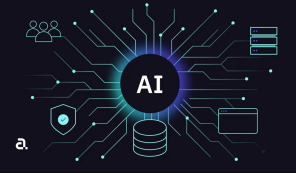
Introduction
Digital transformation has become a fundamental priority for modern organizations seeking to remain competitive in a rapidly evolving technological landscape. Enterprises are increasingly adopting cloud platforms, advanced analytics, artificial intelligence, and data-driven decision-making to improve efficiency and deliver innovative services. However, the success of digital transformation initiatives largely depends on how effectively organizations manage and utilize their data. Data engineering plays a critical role in building and maintaining the infrastructure that supports data collection, processing, storage, and analysis.
Traditional data engineering practices rely heavily on manual intervention, static workflows, and rule-based automation. As data ecosystems grow more complex, these approaches struggle to scale and adapt to rapidly changing business requirements. Self-directed data engineering agents offer a new paradigm for managing data infrastructure. These intelligent agents operate autonomously within data systems, making decisions, optimizing workflows, and continuously improving data operations without constant human oversight. By integrating artificial intelligence with data engineering processes, organizations can reimagine digital transformation through adaptive, intelligent, and self-managing data environments.
The Evolution of Data Engineering in Digital Transformation
Data engineering has evolved significantly over the past decade. Early data systems were primarily based on batch processing frameworks designed to handle large volumes of data at scheduled intervals. While effective for historical analysis, these systems lacked the responsiveness required for real-time decision-making.
The emergence of cloud computing, distributed systems, and streaming technologies enabled the development of real-time data pipelines capable of processing data as it is generated. Despite these advancements, the management of data pipelines remains complex. Engineers must design architectures, monitor system performance, troubleshoot failures, and optimize resource allocation.
As organizations expand their digital initiatives, the scale and complexity of data infrastructure increase dramatically. Managing thousands of pipelines, data sources, and analytics platforms becomes increasingly challenging. Self-directed data engineering agents provide a solution by automating many of the tasks traditionally performed by human engineers. These agents continuously monitor system performance, identify inefficiencies, and implement improvements autonomously.
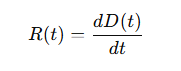
EQ1:Data Ingestion Rate in Autonomous Pipelines
Understanding Self-Directed Data Engineering Agents
Self-directed data engineering agents are intelligent software entities designed to manage data workflows and infrastructure with minimal human intervention. Unlike traditional automation tools that follow predefined rules, these agents use machine learning, reasoning capabilities, and contextual awareness to make dynamic decisions.
These agents can perform various data engineering tasks, including pipeline orchestration, schema management, data quality monitoring, and infrastructure optimization. By analyzing system logs, performance metrics, and operational data, they can identify patterns and recommend improvements.
A key characteristic of self-directed agents is their ability to learn from past experiences. As they interact with the data ecosystem, they continuously refine their decision-making models, allowing them to adapt to new challenges and changing data environments. This capability enables organizations to build self-evolving data infrastructures that become more efficient over time.
Autonomous Data Pipeline Management
One of the most important applications of self-directed data engineering agents is the autonomous management of data pipelines. Modern enterprises rely on complex pipelines that integrate data from multiple sources, transform it into usable formats, and deliver it to analytics platforms.
Maintaining these pipelines often requires constant monitoring to ensure that data flows correctly and that performance targets are met. Self-directed agents can monitor pipeline activity in real time and automatically detect anomalies such as data delays, schema mismatches, or system bottlenecks.
When issues arise, these agents can take corrective actions without waiting for human intervention. For example, they may reroute data streams, restart failed components, or adjust processing parameters to maintain system stability. This autonomous management capability significantly reduces downtime and improves the reliability of data services.
Intelligent Resource Optimization
Efficient resource management is essential for maintaining scalable and cost-effective data infrastructure. Cloud-based data systems provide flexibility and scalability, but improper resource allocation can lead to unnecessary expenses or performance degradation.
Self-directed data engineering agents can analyze workload patterns and dynamically adjust resource allocation based on system demand. For instance, during periods of high data ingestion, agents can automatically scale processing nodes to maintain low latency. When demand decreases, they can reduce resource usage to minimize operational costs.
This adaptive resource management allows organizations to achieve optimal performance while maintaining cost efficiency. By continuously learning from usage patterns, self-directed agents can anticipate future resource requirements and proactively adjust infrastructure configurations.
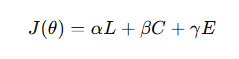
EQ2:Autonomous Optimization Objective
Enhancing Data Quality and Reliability
Data quality is a critical component of digital transformation. Inaccurate or inconsistent data can lead to flawed analytics and poor decision-making. Ensuring high data quality across complex pipelines is often a difficult task for data engineering teams.
Self-directed agents can continuously monitor data streams to detect inconsistencies, missing values, and abnormal patterns. Using machine learning techniques, these agents can identify subtle anomalies that traditional rule-based systems might overlook.
When data quality issues are detected, the agents can initiate automated remediation processes. These processes may include correcting formatting errors, validating data against known patterns, or isolating problematic data segments for further analysis. As a result, organizations can maintain high levels of data integrity and reliability across their digital platforms.
Integration with AI-Driven Analytics Platforms
Self-directed data engineering agents play a vital role in enabling advanced analytics and artificial intelligence applications. Data scientists and analysts rely on well-structured, high-quality data to develop predictive models and generate insights.
By automating data preparation and pipeline management, self-directed agents reduce the time required to deliver analytics-ready data. They can also monitor the performance of machine learning models and ensure that training datasets remain up to date.
Furthermore, these agents can facilitate collaboration between data engineering and data science teams by automatically documenting data lineage and transformation processes. This transparency improves trust in data and supports the development of more reliable AI-driven solutions.
Building Self-Evolving Data Ecosystems
One of the most transformative aspects of self-directed data engineering agents is their ability to create self-evolving data ecosystems. Traditional data infrastructures require frequent manual updates and redesigns as business requirements change. In contrast, self-directed agents continuously analyze system performance and implement improvements.
For example, an agent might identify a more efficient pipeline configuration or recommend new data storage strategies based on evolving workloads. Over time, these incremental improvements result in a data infrastructure that adapts naturally to changing organizational needs.
This self-evolving capability supports long-term digital transformation by ensuring that data systems remain flexible, scalable, and aligned with business objectives.
Challenges and Considerations
While self-directed data engineering agents offer significant advantages, their implementation also presents challenges. Developing reliable AI models capable of managing complex data systems requires extensive training data and sophisticated algorithms. Organizations must ensure that these systems are thoroughly tested to prevent unintended behaviors.
Another challenge involves maintaining transparency and accountability in autonomous systems. Organizations must establish governance frameworks that monitor the decisions made by AI agents and ensure that they align with organizational policies and ethical standards.
Integration with existing infrastructure is also a critical consideration. Many organizations operate hybrid environments that include legacy systems alongside modern cloud platforms. Successfully deploying self-directed agents requires careful architectural planning to ensure compatibility and interoperability.
Future Outlook
The future of digital transformation will likely involve increasingly autonomous data infrastructures powered by intelligent agents. Advances in artificial intelligence, distributed computing, and cloud technologies will enable the development of more sophisticated self-directed systems capable of managing complex data ecosystems with minimal human intervention.
Research is also exploring multi-agent systems where multiple data engineering agents collaborate to manage different aspects of the data lifecycle. These systems could coordinate tasks such as data ingestion, governance enforcement, and analytics optimization, creating highly resilient and adaptive data environments.
As these technologies mature, organizations will be able to shift their focus from managing infrastructure to extracting strategic value from data.
Conclusion
Self-directed data engineering agents represent a powerful advancement in the evolution of digital transformation. By integrating artificial intelligence into the management of data infrastructure, these agents enable organizations to automate complex workflows, optimize resource utilization, and maintain high levels of data quality.
Through autonomous pipeline management, adaptive resource optimization, and continuous system improvement, self-directed agents transform traditional data engineering practices into intelligent, self-managing ecosystems. As enterprises continue to expand their digital initiatives, the adoption of self-directed data engineering agents will play a crucial role in building scalable, resilient, and innovative data-driven organizations.
Comments
Join the discussionNo comments yet. Be the first to comment.